


Archive
June 4, 2026
"Capital allocation is a climate solution": Interview with Lauren Gifford (Project Drawdown)
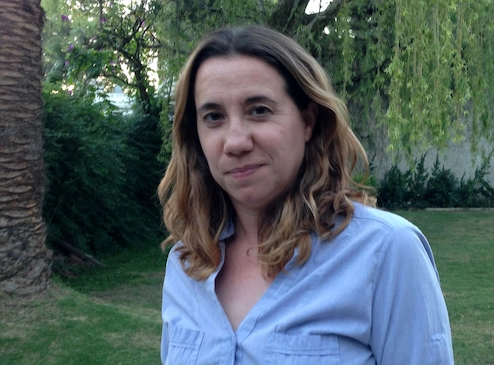
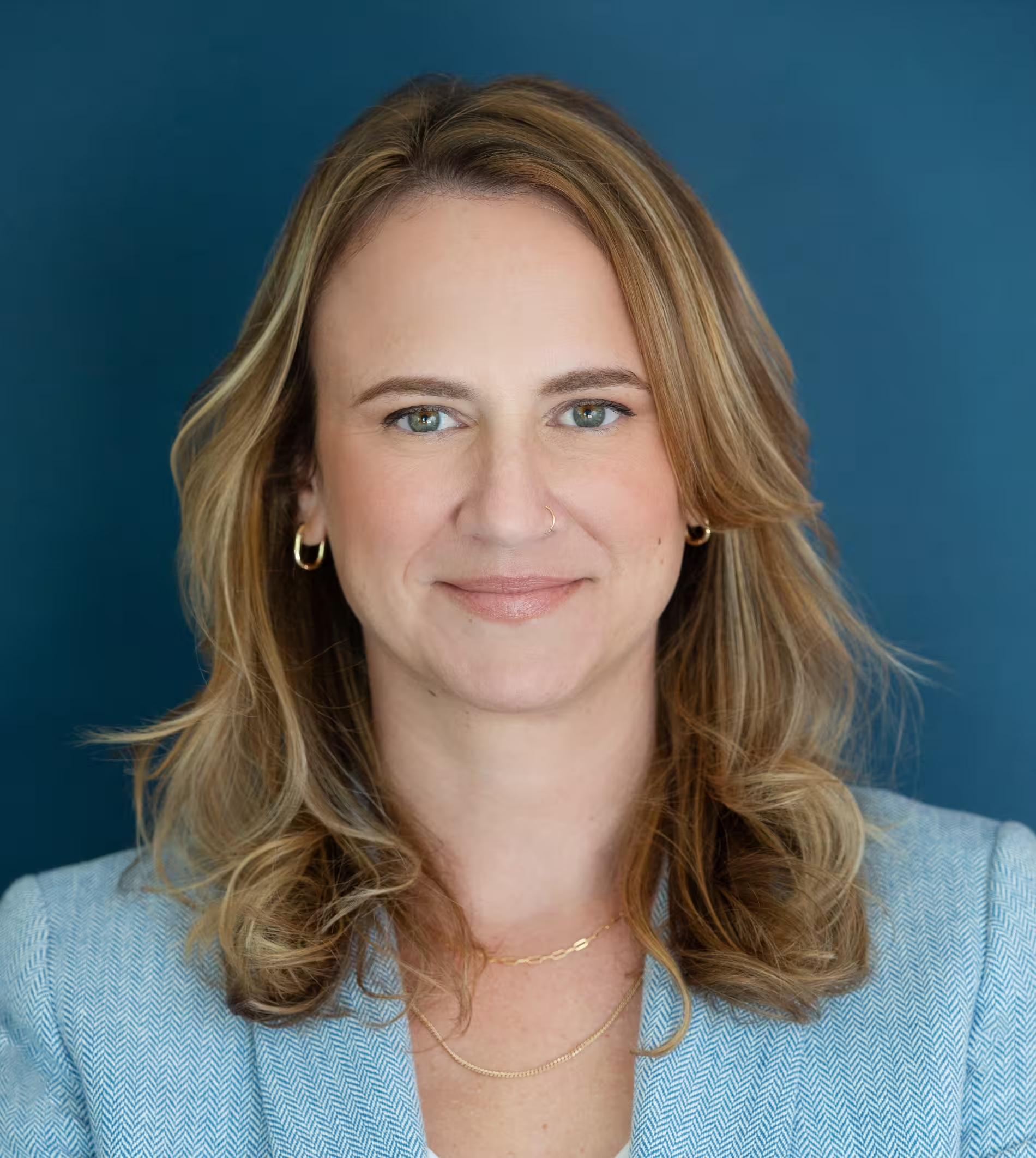
Lauren Gifford, PhD is Senior Advisor of Investment and Philanthropy at Project Drawdown, an organization dedicated to identifying, evaluating, and prioritizing climate solutions. She is a human-environment geographer whose career spans the intersection of climate change science and finance, while successfully bridging academia and the private sector. She regularly serves as subject-matter-expert in interviews with major media including the Wall Street Journal, NPR, Washington Post, TIME, the New York Times, and others.
With the new war in the Middle East, the energy issue has returned to the forefront. What is actually happening "under the radar" in terms of innovation?
The most important innovations aren't necessarily new technologies, they're improvements in deployment, financing, and scaling. We're seeing rapid progress in grid modernization, energy storage, industrial decarbonization (things like buildings, and materials like cement), and climate-smart agriculture. All these things are helping make clean energy systems more resilient and economically competitive.
What technological, cultural, or regulatory change do you see as the most innovative and important right now?
One of the most important shifts is the growing recognition that capital allocation is a climate solution. We're seeing increasing efforts to align investment decisions with long-term environmental and social outcomes, which has the potential to accelerate progress across many sectors simultaneously. But we need more folks with capital on board!
What is essential for strengthening SMEs in emerging markets? Do governments need to provide support?
Absolutely. Access to affordable and fair capital remains one of the biggest barriers facing small and medium-sized enterprises. Private investment is critical, but governments play an essential role in reducing risk, building enabling infrastructure, and creating the stable policy environments that allow businesses to thrive
Can you tell us more about the carbon removal industry? Which countries or regions are seriously working in this field?
Carbon dioxide removal (CDR) harnesses natural and technological processes– things like soil carbon storage, enhanced weathering, and direct air capture– to pull CO₂ out of the atmosphere. Recently, the industry itself has seen some pause as big investors like Microsoft move investment elsewhere. But CDR is happening (or can happen) all over the world, from farm fields, to oil fields, and in sectors as vast as cement production to forest protection. There’s a lot of opportunity there.
Is the approach of establishing quantitative boundaries for safeguarding global commons working?
Boundaries are guides or goals. Frameworks like Planetary or Earth System Boundaries have been remarkably successful in helping decision-makers understand the scale of environmental risks we face. The challenge now is translating scientific thresholds into governance systems, financial incentives, and policies that can drive action at the speed required.
What are your thoughts on the debate between degrowth and green growth?
These are buzz words that land differently in various spaces and contexts. I think the more useful question is not whether economies grow, but what shifts and evolve, and how. We need growth in clean energy, resilient infrastructure, ecosystem restoration, and human well-being, while reducing activities that drive emissions and environmental degradation.
Do you have anything positive to say about AI's potential to improve humanity?
AI is a powerful tool, and like any tool, its impact depends on how we use it. If governed responsibly, it can help accelerate scientific discovery, improve resource efficiency, strengthen climate modeling, and support better decision-making across society. But we aren’t there yet, and we need to reconcile the enormous drain on resources, energy, and water these technologies require with their human benefit. It’s a tricky time.
Exclusive interview with Lauren Gifford from the Global Climate Finance Forum