

News
November 4, 2026
The Pew Charitable Trusts on Financing Conservation for the Long Term


As countries confront mounting climate and biodiversity challenges, the need for scalable, reliable conservation finance is becoming increasingly urgent. The Pew Charitable Trusts is helping governments and partners develop financing approaches that connect environmental ambition with long-term fiscal planning, including sustainability-linked bonds, debt conversions, Project Finance for Permanence initiatives, and tourism levies. Pew also works through partnerships such as the Debt for Nature Coalition, Enduring Earth, Blue Nature Alliance, and Pew Bertarelli Ocean Legacy to mobilize funding and strengthen the durability and integrity of conservation outcomes.
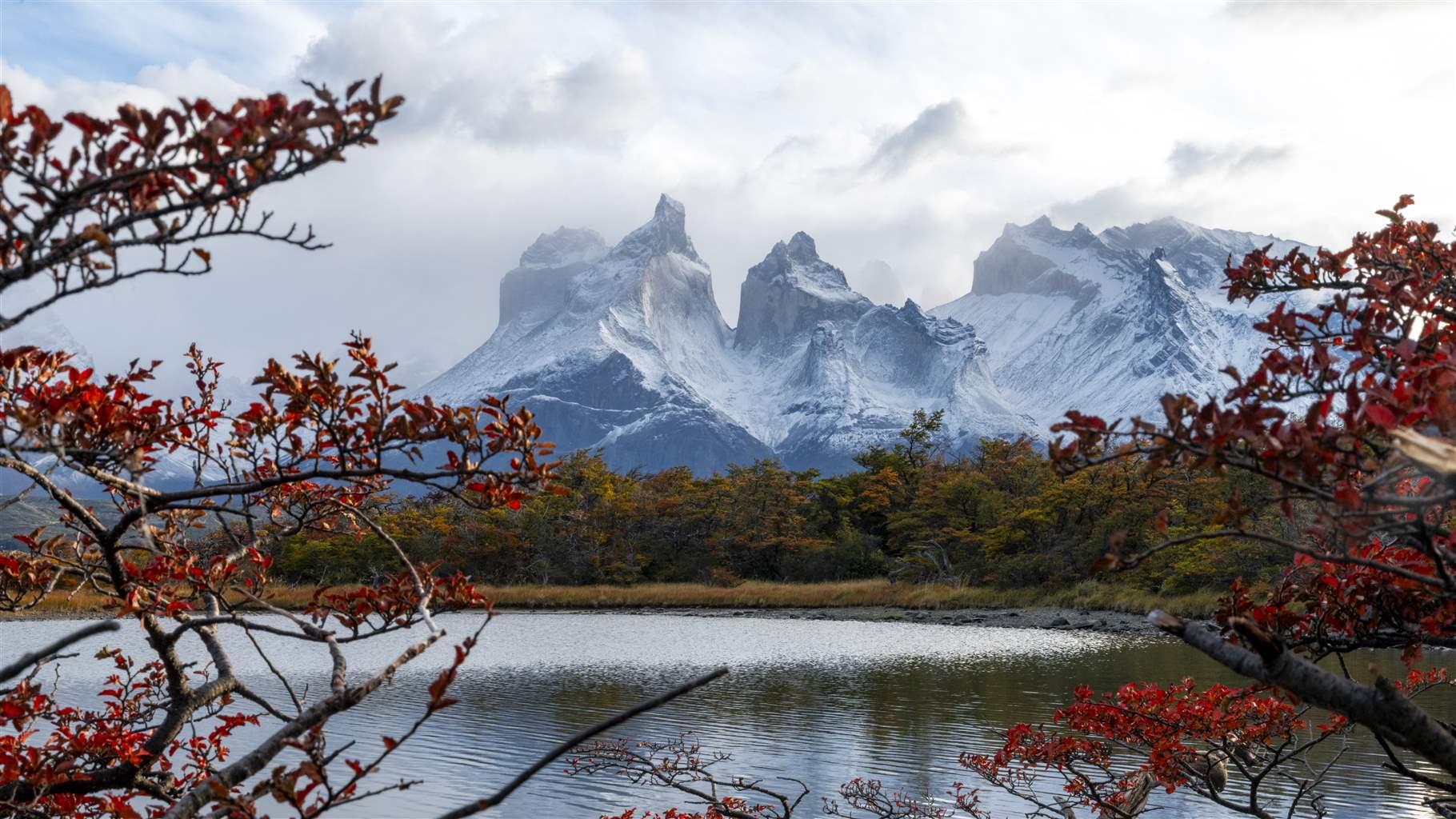
Recent efforts in Chile and Ecuador illustrate what these mechanisms can achieve. In January 2026, Chile issued the world’s first sustainability-linked bond explicitly tied to biodiversity conservation and the global goal of protecting 30% of the planet’s lands and waters by 2030. The €1.5 billion bond requires Chile to protect at least 30% of its land and inland waters and ensure that protected areas covering at least 10% of the country are effectively managed. Investor demand reached €5.1 billion, more than three times the amount offered. At the request of Chile’s Ministry of Finance, Pew provided technical expertise to help strengthen the bond’s biodiversity targets and ensure that they were credible, practical, and aligned with international standards.
In Ecuador, the Pew Bertarelli Ocean Legacy Project and a group of finance and conservation partners supported a transaction that refinanced $1.6 billion of sovereign debt at lower interest rates. The conversion is expected to save Ecuador more than $1 billion in debt-service payments and direct over $450 million toward marine conservation over two decades. This includes an endowment intended to provide approximately $12 million annually for conservation in and around the Galápagos Islands. Funding decisions will be made through the Ecuadorian-led Galápagos Life Fund, supporting marine reserve management, monitoring and enforcement, sustainable fishing, local economic development, and community climate resilience.
These examples also underscore an important lesson: no single mechanism can close the global conservation and climate finance gap. Debt conversions can be powerful when they align with national priorities, generate meaningful fiscal savings, establish credible local governance, and include rigorous monitoring. But countries need a broader range of options tailored to their economic and environmental circumstances.
Small Island Developing States are among those pioneering complementary approaches. Many face high debt burdens, narrow economic bases, and growing climate pressures while depending heavily on healthy reefs, fisheries, and coastlines. Several island governments are linking tourism directly to environmental investment. The Bahamas introduced cruise-passenger and departure levies in 2024; Aruba launched a $20 visitor sustainability fee to support wastewater modernization; and the Maldives doubled its green tax to $12 per person per night for most hotel and resort visitors in 2025. These mechanisms can provide more predictable funding by asking those who benefit from natural resources to contribute to their protection.
Across these efforts, the objective is consistent: mobilize more resources for conservation while ensuring that financing produces credible, additional, and lasting results. By combining financial innovation with strong environmental targets, accountable governance, and locally appropriate solutions, countries and their partners can move from short-term projects toward durable systems that protect nature, support communities, and strengthen economic resilience.
Links to Sources:
- Strategic Financing Can Support Durable Conservation Outcomes | The Pew Charitable Trusts
- Protected Areas Face Multibillion-Dollar Funding Gap | The Pew Charitable Trusts
- Debt Conversions Are a Key Piece of the Climate Finance Puzzle | The Pew Charitable Trusts
- How Island Nations Can Harness Tourist Dollars for Conservation | The Pew Charitable Trusts
- How to Address the Ocean Conservation Funding Shortfall | The Pew Charitable Trusts