

News
October 2, 2026
Koolboks Enters Its Next Phase, Scaling Solar Cooling Across Africa
Founded in 2018 by Ayoola Dominic and Déborah Gaël, GCFF Member Koolboks aims to realize “a world where no one loses food, income, or medicine because of unreliable power” through its solar-powered refrigeration technology.
Across many African markets, households and small businesses without reliable grid electricity lack access to dependable cooling. As of 2021, an estimated 85 million Nigerians—more than 40% of the population—lacked access to electricity. Diesel generators harm the environment and add a recurring expense to already tight operating margins, leaving shopkeepers vulnerable to losing perishable inventory during outages.
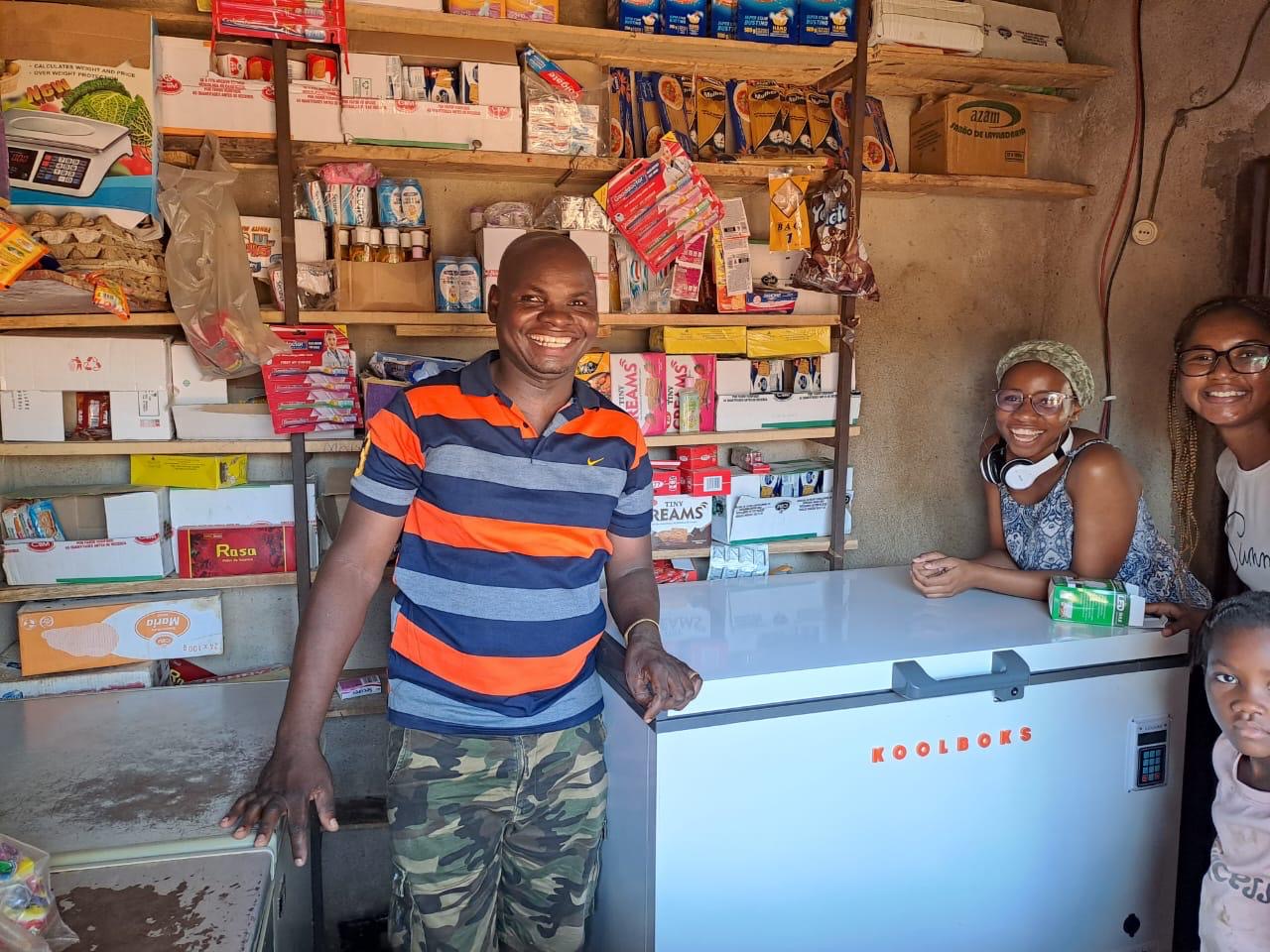
Koolboks’ solar-powered freezers are designed to operate independently of the grid. Using thermal energy storage—ice-pack technology supported by a lithium-ion battery and thick insulation—the freezers can provide continuous refrigeration for up to four days during outages or periods when solar power is unavailable. Koolboks freezers also feature LED lights and USB ports, enabling small businesses to operate after dark and extend their business hours. The company’s products are now used across a range of applications, from food and beverage storage to agricultural and medical cooling.
ACCESS THROUGH AFFORDABILITY
True to its mission of improving access to cooling technology, Koolboks prioritizes affordability through its Pay-As-You-Go (PAYGo) financing model, reducing the upfront cost barrier for small businesses that depend on refrigeration to generate income. Households and entrepreneurs can acquire a solar freezer through smaller installments rather than a single large purchase, making periodic payments until they ultimately own the appliance.
The outcomes of Koolboks’ grant through the GSMA Innovation Fund demonstrate what this combination of access and affordability can mean for small businesses. Beginning in 2022, GSMA supported the scale-up of Koolboks’ initial pilot program, helping to deploy 140 solar freezers to fish market traders in Lagos and surrounding peri-urban areas, 76% of whom were women.
Before receiving Koolboks freezers, 70% of participating fish traders reported that produce had gone to waste because of inadequate cooling and unreliable power. The Food and Agriculture Organization of the United Nations (FAO) has estimated that post-harvest losses across African countries could be worth up to $4 billion—enough food to feed 48 million people. Food loss and waste also carry a significant climate cost, contributing an estimated 8–10% of global greenhouse gas emissions.
By the end of the grant period, nearly 9 in 10 Koolboks customers attributed an improvement in their quality of life to the freezers, with 87% reporting reduced waste and 85% reporting increased income.
WHERE IS KOOLBOKS NOW?
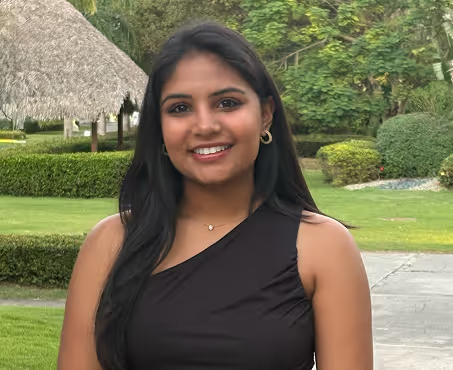
This month, co-founder and COO Déborah Gaël shared several exciting milestones with GCFF as Koolboks enters its next phase, moving from demonstrating its model to deploying it at a significantly greater scale.
Koolboks will be participating in Nigeria’s $750 million Distributed Access through Renewable Energy Scale-up (DARES) program. Funded by the World Bank and implemented by Nigeria’s Rural Electrification Agency, DARES aims to provide 17.5 million Nigerians with new or improved access to electricity through private-sector-led distributed renewable energy solutions. For Koolboks, the program represents an opportunity to accelerate adoption of its solar cooling solutions among some of the 237,000 MSMEs targeted by DARES, while supporting the broader effort to make clean energy productive for small businesses and entrepreneurs.
At the same time, Koolboks is expanding its PAYGo and revenue-sharing models to bring its technology to new groups of customers. As part of this effort, the company is pursuing larger deployments and pilots through partnerships with Orange Energies, Danone/Fan Milk, Heineken, and Coca-Cola.
Lastly, Koolboks plans to launch a $25 million fundraising round combining equity and debt in Q4 2026 to finance its next phase of growth across Africa. Koolboks is actively looking to connect with investors focused on climate, emerging markets, energy access, and SME financing.